

The Art of Finishing: Defining Trim Carpentry in 2026
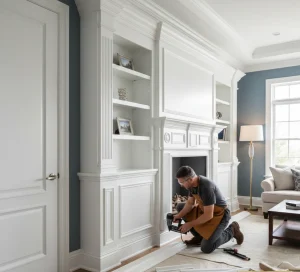
When you walk into a luxury home, you might notice that the rooms feel “complete” or “polished” even before the furniture is moved in. This feeling is almost always the result of high-end trim carpentry, the specialized branch of woodworking focused on the visible finishing touches of an interior.
While rough carpentry builds the skeleton of a house, trim carpentry provides the skin and character. It is the final layer of architectural detail that covers joints, transitions between surfaces, and adds decorative flair to walls, ceilings, and openings.
In 2026, homeowners are viewing these details not just as aesthetic choices, but as essential elements of interior design hierarchy. A professional trim carpenter uses precision tools to ensure that every miter joint is tight and every line is perfectly level, creating a seamless flow throughout the living space.
The Vital Role of a Trim Carpenter in Home Renovation
A trim carpenter is essentially a craftsman who specializes in the “jewelry” of the home. Their work begins after the drywall is finished and the flooring is installed. They are responsible for the installation of moldings, doors, and built-in elements that define the style of a room, whether it is modern minimalism or classic Victorian.
The technical skill required for this work is immense. Because few walls are perfectly straight or floors perfectly level, a trim carpenter must use scribing techniques and expert measuring to hide these imperfections. This level of detail ensures that the home looks flawless to the naked eye.
Beyond visual appeal, trim serves a functional purpose. It protects the base of walls from vacuum cleaners, covers the gaps between door frames and drywall, and provides a durable edge to windows. It is the perfect marriage of structural protection and artistic expression.
Understanding the Main Categories of Interior Trim
To navigate a renovation project successfully, it helps to know the terminology used by professionals. Trim is generally categorized by where it is located and its specific function within the room’s geometry.
| Trim Type | Location | Primary Purpose |
| Baseboards | Floor and Wall intersection | Covers gaps and protects from kicks |
| Crown Molding | Wall and Ceiling intersection | Softens the transition and adds height |
| Casing | Around doors and windows | Frames the opening and hides structural gaps |
| Chair Rail | Middle of the wall | Protects against furniture scuffs |
| Wainscoting | Lower half of the wall | Adds texture and traditional elegance |
Common Types of Trim and Decorative Moldings
The world of finish carpentry is incredibly diverse, offering a solution for every design vision. In 2026, we are seeing a resurgence in layered moldings, where multiple pieces of trim are combined to create a more robust and expensive look without the cost of solid large timber.
Baseboards are perhaps the most common. In modern 2026 designs, we see a move toward taller, flat-profile baseboards that provide a clean, “clean-line” aesthetic. Conversely, traditional homes still rely on ornate, multi-curved profiles to maintain a sense of history and grandness.
Crown molding remains the gold standard for adding value. It draws the eye upward, making ceilings feel higher and rooms feel more expansive. Whether it is a simple cove or a complex dentil molding, the presence of crown trim immediately elevates the perceived quality of the carpentry services provided.
Wall Treatments: Wainscoting, Shiplap, and Board and Batten
If you want to add depth to a flat wall, decorative wall treatments are the answer. Wainscoting involves installing wood panels or frames on the lower portion of a wall, often finished with a chair rail on top. This is a classic choice for dining rooms and entryways.
Board and batten has seen a massive spike in popularity through 2026. It uses vertical strips (battens) over wide boards to create a rhythmic, textured appearance. It is a fantastic way to introduce a “farmhouse chic” or “craftsman” vibe to a bedroom or hallway while remaining highly durable.
Shiplap, once reserved for exterior siding, is now a staple of interior trim carpentry. When installed horizontally, it can make a room feel wider, while vertical installation adds a sense of height. It is a versatile tool in the custom carpentry toolkit for creating focal points.
Window and Door Casings: Framing the View
Casings are the “picture frames” for your doors and windows. In 2026, homeowners are opting for wider casings to make standard doors look more substantial. Professional trim installation ensures that the “reveals” (the small bit of the frame that shows) are consistent, which is the hallmark of high-quality craftsmanship.
Materials Used in Modern Trim Carpentry
The material you choose for your trim affects the final finish, the cost, and how it reacts to the environment. In 2026, we have access to traditional woods and advanced engineered products that offer superior stability.
MDF (Medium Density Fiberboard) is the most common choice for painted trim. It is extremely stable, meaning it won’t shrink or expand with humidity changes as much as real wood. This prevents the unsightly cracks at the joints that often plague older homes.
For those who want the beauty of wood grain, finger-jointed pine or solid hardwoods like Oak, Poplar, and Walnut are the go-to options. Hardwood trim is typically stained rather than painted, showcasing the natural beauty of the timber. These materials require a higher level of skill to install, as there is no paint to hide small errors.
The Importance of Material Acclimation
In 2026, we emphasize the “acclimation period.” Before any finish carpentry begins, the materials must sit in the home for several days. This allows the wood to reach equilibrium with the home’s specific humidity levels, preventing warping or gapping after the installation is complete.
Properly acclimated wood ensures that those tight miter joints stay tight for years to come. This is a crucial step that distinguishes a high-end carpentry contractor from a rushed “handyman” service. It is about building for the long term, not just for the day of the photoshoot.
The Technical Process of Trim Installation

The workflow of a trim project is a lesson in geometry and patience. It begins with leveling and plumbing, where the carpenter determines how much the house has “settled.” They then establish a “datum line” to ensure that all horizontal trim pieces are perfectly aligned across the room.
Cutting the wood involves complex angles. Most people think of 45-degree cuts, but a master trim carpenter often uses coping joints for inside corners. Coping involves hand-shaping the end of one molding to fit perfectly against the face of another, which allows for a much tighter fit that won’t open up during seasonal changes.
The final stage is the fastening and finishing. We use specialized pneumatic finish nailers that leave tiny holes, which are then filled with matching wood putty. The result is a surface that looks like it grew directly out of the wall, with no visible signs of attachment.
Why Precision Matters in Architectural Millwork
In trim carpentry, a sixteenth of an inch is a massive distance. Small gaps are not just aesthetic issues; they are places where dust collects and where paint will eventually peel or crack. Precision in joinery is the difference between a DIY project and a professional result.
Modern tools, such as laser levels and digital protractors, help us achieve this precision in 2026. However, the “eye” of the carpenter remains the most important tool. Knowing how to manipulate a piece of wood to look straight on a crooked wall is a skill that only comes with years of hands-on on-site experience.
Elevating Your Property Value with Trim Details
Investing in high-quality trim is one of the most cost-effective ways to increase your home’s resale value in the 2026 market. Buyers perceive homes with extensive molding and built-in details as “high-end” and “well-cared-for.” It creates a lasting first impression that sets your property apart.
Trim carpentry also allows you to hide various structural transitions. For example, if you’ve recently replaced flooring, the right baseboard and shoe molding combination can hide the expansion gaps required for the new floor, resulting in a clean, professional finish.
Beyond the financial aspect, it is about the ambient comfort of your home. A room with beautiful crown molding and wainscoting feels more intimate and intentionally designed. It transforms a house from a simple structure into a personalized sanctuary that reflects your taste and attention to detail.
Choosing the Right Style for Your Neighborhood
When planning your trim, consider the architectural style of your community. While we love innovation, maintaining some stylistic consistency with the home’s exterior and the surrounding neighborhood ensures a cohesive look that appeals to future buyers and enhances curb appeal.
Frequently Asked Questions About Trim Carpentry
What is the difference between molding and trim?
“Trim” is the general term for all finishing wood in a home. “Molding” refers specifically to trim pieces with decorative profiles or curves. All molding is trim, but not all trim (like a simple flat board) is molding.
Should I paint or stain my trim in 2026?
Painted trim (usually white or off-white) is the current trend for a bright, modern look. Stained trim is preferred for more traditional, rustic, or high-luxury homes where the natural beauty of the wood is a focal point of the design.
Can trim carpentry hide wall imperfections?
Yes, this is one of its secret benefits. Crown molding can hide a wavy ceiling line, and wide casings can mask gaps where the drywall doesn’t quite meet the door frame. It is the ultimate “fix” for architectural flaws.
Principal Service Areas for Gold Carpentry, LLC for Trim Carpentry:
If you are looking to add that final touch of elegance to your home, our team is ready to bring your vision to life. We provide expert craftsmanship across several local communities. Discover our specialized services in your area:
Transform Your Interiors with Gold Carpentry, LLC
Every detail in your home tells a story. At Gold Carpentry, LLC, we help you ensure that story is one of quality, elegance, and precision. Our masters of finish carpentry treat every home as if it were their own, focusing on the small details that make a massive difference.
Whether you are looking for a simple baseboard refresh or a full-scale library with custom wainscoting and crown molding, we have the expertise to execute it flawlessly. We pride ourselves on clean work sites, clear communication, and results that exceed expectations.
Ready to give your home the finish it deserves in 2026? Let’s discuss your project and explore the possibilities of professional trim. Our team is dedicated to providing the highest level of carpentry excellence in the region.
Schedule Your Design Consultation
To see how custom trim can transform your living space, Contact Gold Carpentry, LLC here and let’s start planning your renovation.
Call us today: (856) 351-4450


